Subfloor Demolition in Bergen County, NJ
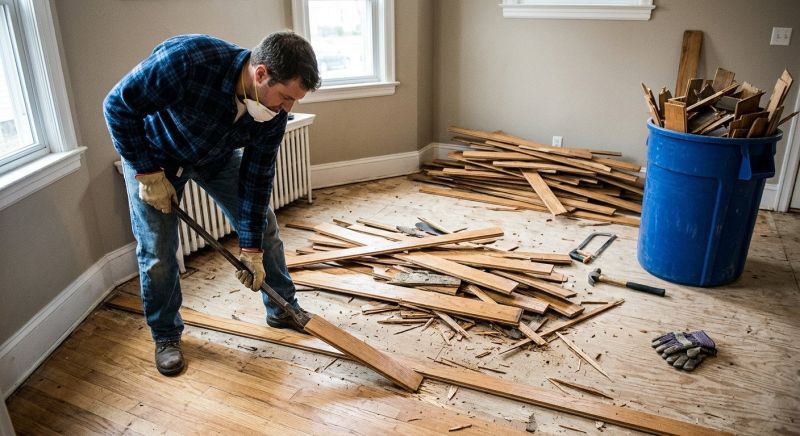
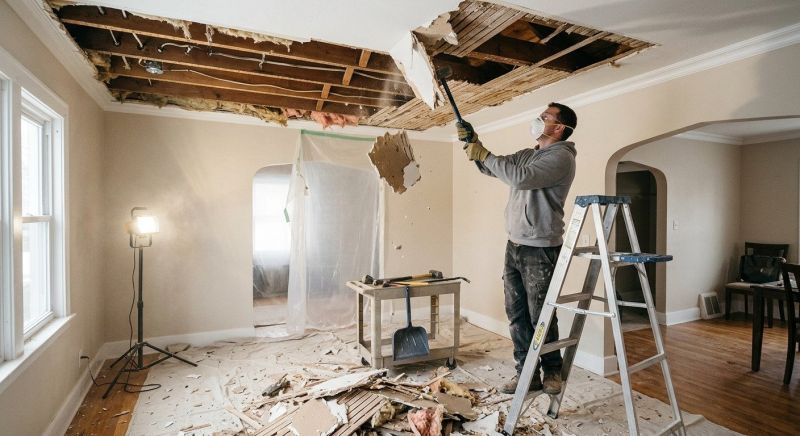
Subfloor demolition services involve the careful removal of existing subflooring materials to prepare for renovations, repairs, or new flooring installations. This process is commonly requested for projects such as water damage repairs, mold remediation, or when upgrading to new flooring types like hardwood, tile, or laminate. Property owners should understand that subfloor removal requires precise planning to avoid damage to underlying structures and to ensure the new subfloor can be installed properly. Clarifying the scope of work, the condition of the current subfloor, and any potential obstacles can help homeowners achieve a smooth and efficient demolition process.
Before requesting subfloor demolition services, property owners often want to know what materials are involved, such as plywood or OSB, and whether any hazardous conditions, like mold or rot, are present. It’s also important to consider the impact on the existing flooring and how long the removal might take. Understanding the overall project goals, including the type of new flooring to be installed afterward, can help in coordinating the demolition with subsequent construction steps. Clear communication about the project scope can ensure that the process aligns with the property’s needs and expectations.
Many property owners in Bergen County, NJ look into Subfloor Demolition for repairs, replacements, upgrades, and appearance-related improvements.
Subfloor Demolition Overview
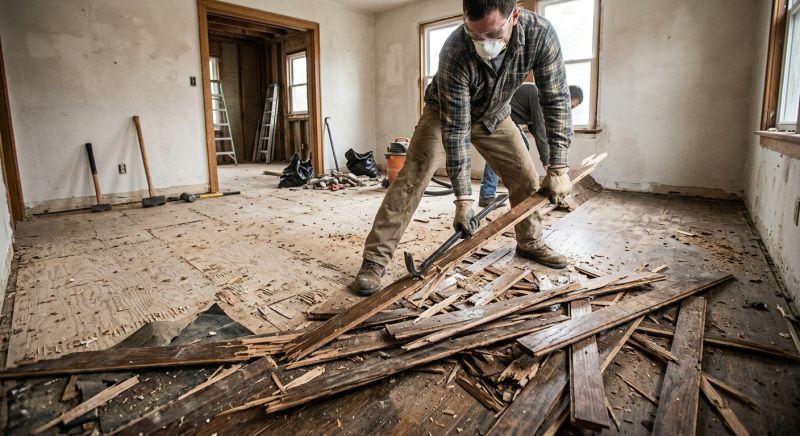
Removing damaged or outdated subfloors to prepare for new flooring installation.
Common Projects Requiring Subfloor Removal
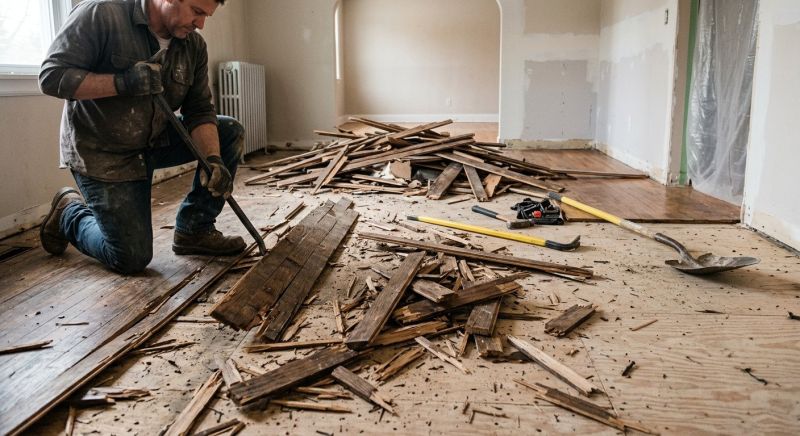
Renovations, water damage repairs, and flooring upgrades often involve subfloor demolition.
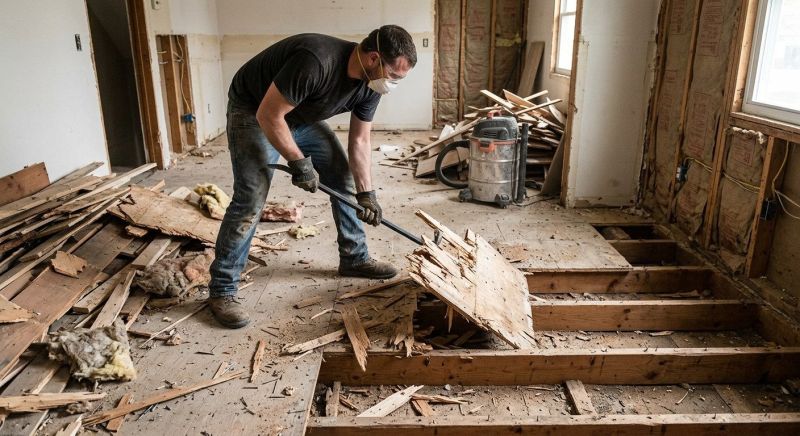
What Property Owners Should Know
Proper subfloor removal ensures a stable foundation for new flooring and long-term durability.
Subfloor Demolition in Bergen County, NJ
Subfloor demolition services involve the careful removal of existing subflooring materials to prepare for renovations, repairs, or new flooring installations. This process is commonly requested for projects such as water damage repairs, mold remediation, or when upgrading to new flooring types like hardwood, tile, or laminate. Property owners should understand that subfloor removal requires precise planning to avoid damage to underlying structures and to ensure the new subfloor can be installed properly. Clarifying the scope of work, the condition of the current subfloor, and any potential obstacles can help homeowners achieve a smooth and efficient demolition process.
Before requesting subfloor demolition services, property owners often want to know what materials are involved, such as plywood or OSB, and whether any hazardous conditions, like mold or rot, are present. It’s also important to consider the impact on the existing flooring and how long the removal might take. Understanding the overall project goals, including the type of new flooring to be installed afterward, can help in coordinating the demolition with subsequent construction steps. Clear communication about the project scope can ensure that the process aligns with the property’s needs and expectations.
Many property owners in Bergen County, NJ look into Subfloor Demolition for repairs, replacements, upgrades, and appearance-related improvements.
Common Subfloor Demolition Jobs
Subfloor Removal - safely removes damaged or outdated subfloor materials to prepare for replacement.
Floor Replacement - provides a clean slate for new flooring installation by demolishing existing subflooring.
Moisture Damage Repair - removes compromised subfloor sections caused by water leaks or high humidity.
Old Subfloor Demolition - clears away deteriorated or warped subfloor materials during renovation projects.
Subfloor Leveling - removes uneven or warped subfloor sections to ensure a smooth surface for flooring.
Structural Subfloor Work - prepares subfloor areas for reinforcement or repair to support new flooring.
Subfloor Demolition Questions
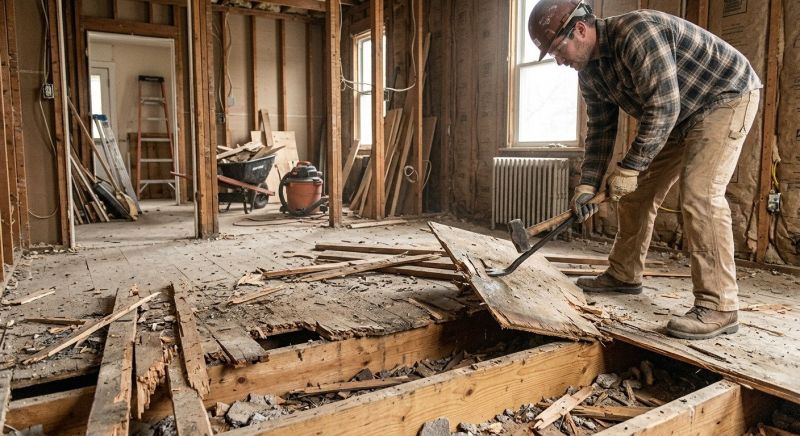
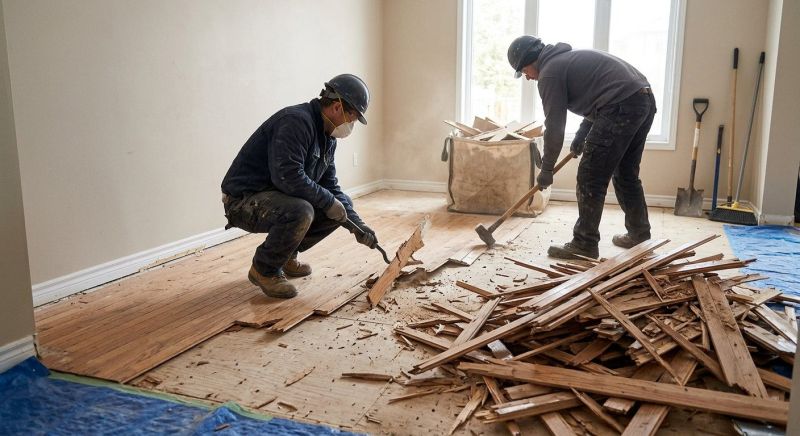
What is subfloor demolition? Subfloor demolition involves removing existing subfloor material to prepare for new flooring installation or repairs.
When is subfloor demolition necessary? It is needed when the current subfloor is damaged, rotted, or outdated, affecting the stability of the finished floor.
What types of projects require subfloor demolition? Projects include remodeling, water damage repairs, or replacing old flooring that has compromised the subfloor.
What should property owners know before starting subfloor demolition? Proper assessment of the existing subfloor is important to determine the extent of demolition and preparation needed for the new layer.
Request Subfloor Demolition in Bergen County, NJ
Use the quote form on this page to share the basics of your project and request more information for the type of work you need.