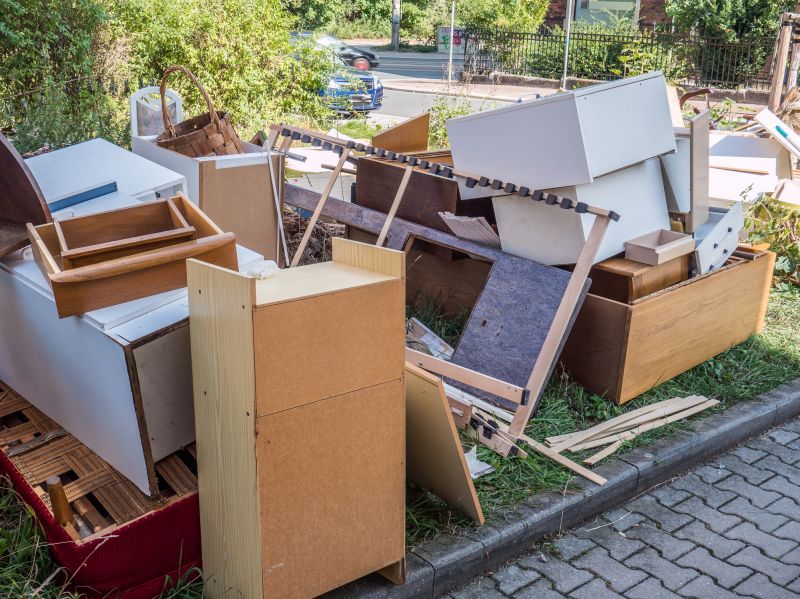
Cabinet Disposal in Charlotte, NC
Cabinet disposal services involve the removal and responsible disposal of existing cabinetry from residential properties. This service is commonly requested during kitchen or bathroom remodels, home upgrades, or when replacing outdated or damaged cabinets. Property owners should consider the scope of the project, including whether the existing cabinets are being replaced entirely or if only certain sections need removal, and understand any specific requirements for disposal, such as handling hazardous materials or coordinating with other renovation tasks.
Before requesting cabinet disposal, homeowners typically want to clarify the size and number of cabinets to be removed, the accessibility of the work area, and any restrictions related to disposal regulations in the area. It’s also helpful to know if the service includes debris removal and cleanup after the cabinets are taken out. Understanding these details can ensure a smooth process and proper coordination with other aspects of the renovation or cleanup project.
Many property owners in Charlotte, NC look into Cabinet Disposal for repairs, replacements, upgrades, and appearance-related improvements.
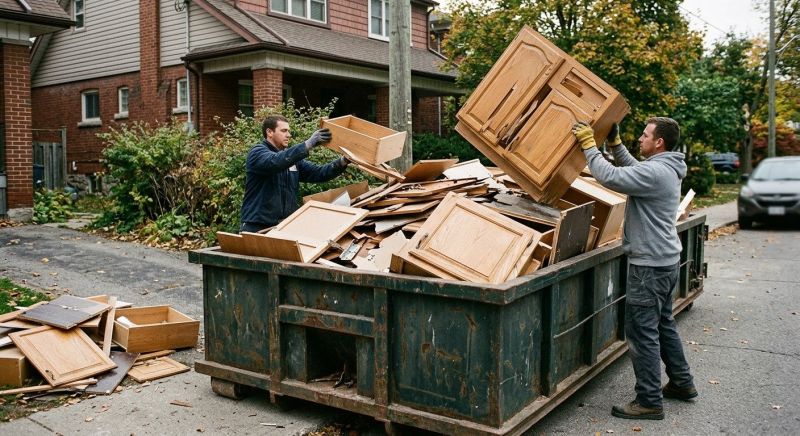
Cabinet Removal For Renovations
Removing old cabinets is essential for updating kitchen or bathroom spaces in charlotte homes.
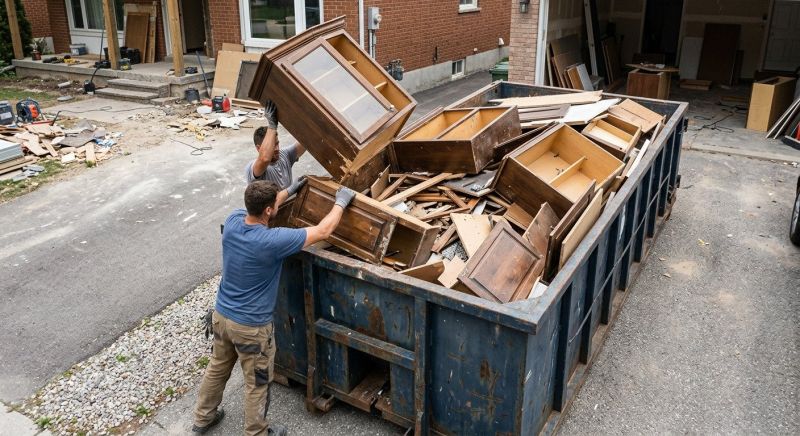
Bulk Cabinet Disposal Solutions
Efficient disposal of large cabinet loads helps keep property clear during remodeling projects.
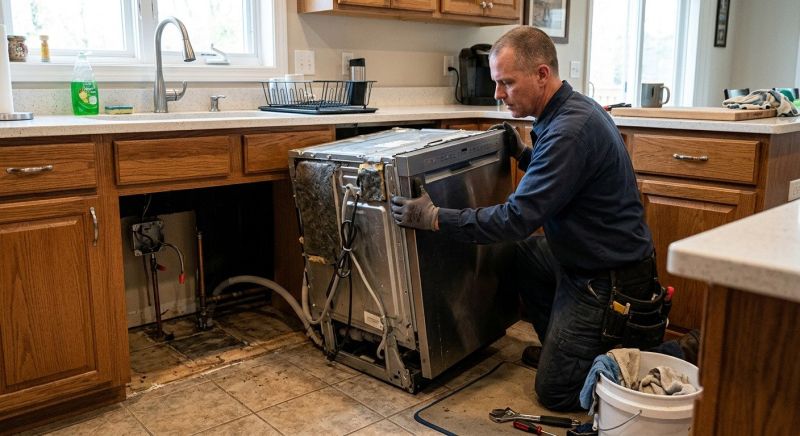
Safe Cabinet Demolition Services
Professional handling ensures cabinets are dismantled safely without damaging surrounding areas in charlotte properties.
Cabinet Disposal in Charlotte, NC

Cabinet disposal services involve the removal and responsible disposal of existing cabinetry from residential properties. This service is commonly requested during kitchen or bathroom remodels, home upgrades, or when replacing outdated or damaged cabinets. Property owners should consider the scope of the project, including whether the existing cabinets are being replaced entirely or if only certain sections need removal, and understand any specific requirements for disposal, such as handling hazardous materials or coordinating with other renovation tasks.
Before requesting cabinet disposal, homeowners typically want to clarify the size and number of cabinets to be removed, the accessibility of the work area, and any restrictions related to disposal regulations in the area. It’s also helpful to know if the service includes debris removal and cleanup after the cabinets are taken out. Understanding these details can ensure a smooth process and proper coordination with other aspects of the renovation or cleanup project.
Many property owners in Charlotte, NC look into Cabinet Disposal for repairs, replacements, upgrades, and appearance-related improvements.
Common Cabinet Disposal Jobs
Cabinet Removal - safely taking out old cabinets during kitchen or bathroom remodels.
Disposal Services - responsible hauling away of cabinet debris after demolition.
Recycling Options - sorting cabinets for recycling or proper disposal to reduce waste.
Bulk Pickup - managing large cabinet pieces that don’t fit in regular trash containers.
Renovation Cleanup - clearing away cabinet remnants to prepare for new installations.
Property Clearing - removing cabinets from residential or commercial spaces for renovation projects.
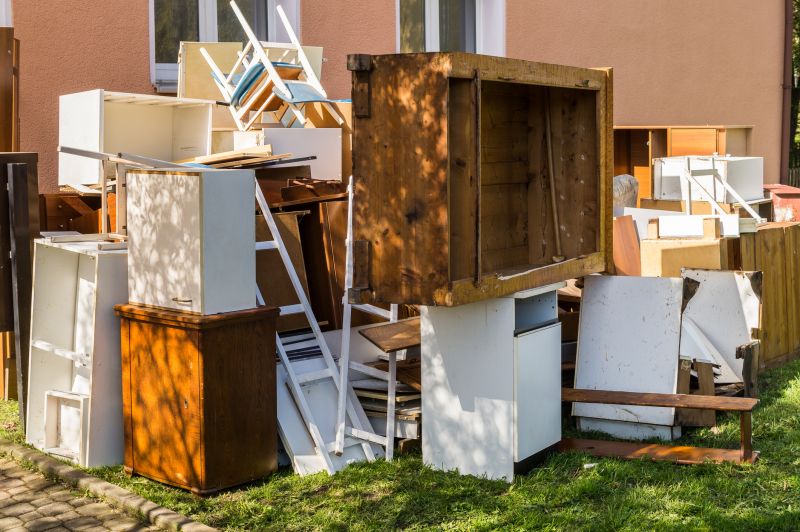
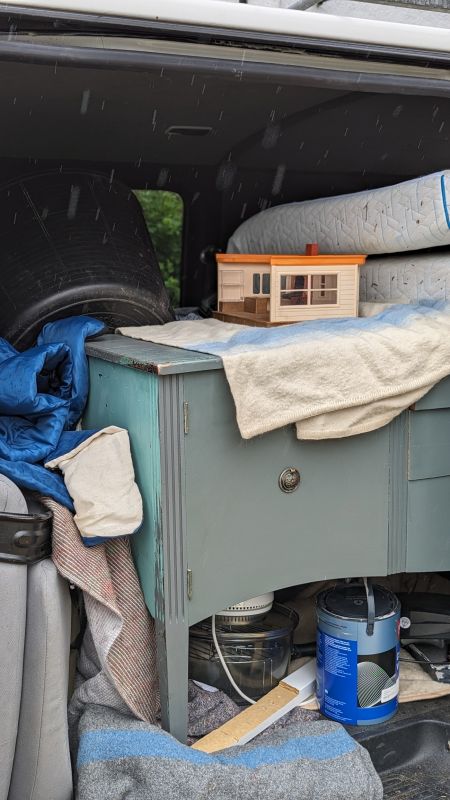
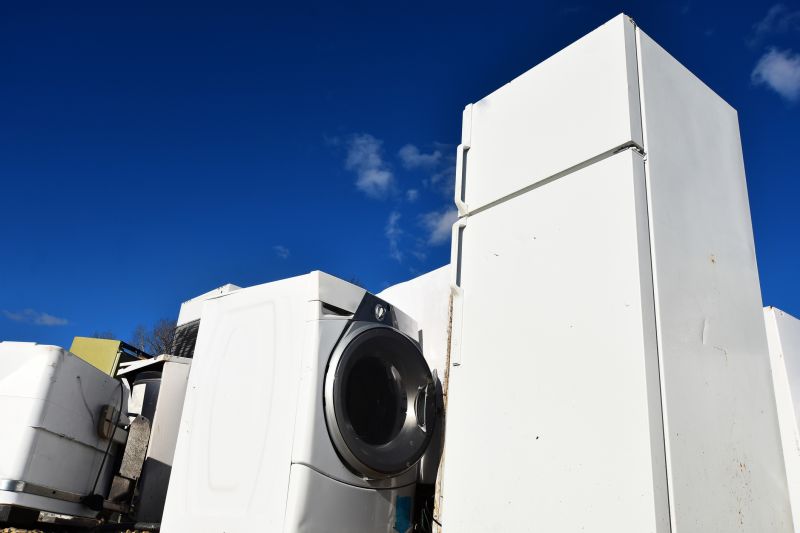
Cabinet Disposal Questions
What types of cabinets can be disposed of? The service handles a variety of cabinets including kitchen, bathroom, and custom-built units.
Is cabinet disposal suitable for renovation projects? Yes, cabinet disposal is often requested during kitchen or bathroom remodels to clear space for new installations.
Are there restrictions on cabinet materials for disposal? Most common materials like wood, laminate, and MDF are accepted; hazardous materials are not included.
What should property owners do before disposal? It’s recommended to empty cabinets and remove any hardware or fixtures prior to disposal services.
Request Cabinet Disposal in Charlotte, NC
Use the quote form on this page to share the basics of your project and request more information for the type of work you need.